History and Patronage
Learn why Shah Jahan commissioned the mausoleum, how the project developed, and how the wider complex was completed during the seventeenth century.
Read the historyAgra, Uttar Pradesh, India
Explore the monument’s history, architecture, symbolism and setting through a carefully structured independent guide. Plan with context, verify practical details through official sources, and discover why this riverside complex remains one of the world’s most studied works of Mughal architecture.
Start Here
The Taj Mahal is often summarized as a symbol of love, but its meaning becomes richer when the tomb, mosque, guest house, gateway, garden, riverfront setting and decorative program are studied together.
Learn why Shah Jahan commissioned the mausoleum, how the project developed, and how the wider complex was completed during the seventeenth century.
Read the historyUnderstand the axial plan, charbagh garden, marble surfaces, red sandstone buildings, calligraphy, inlay work and carefully controlled symmetry.
Study the architecturePrepare for security, changing weather, walking distances, Friday closure and current ticket rules without relying on outdated travel claims.
Open the visitor guideWhy It Matters
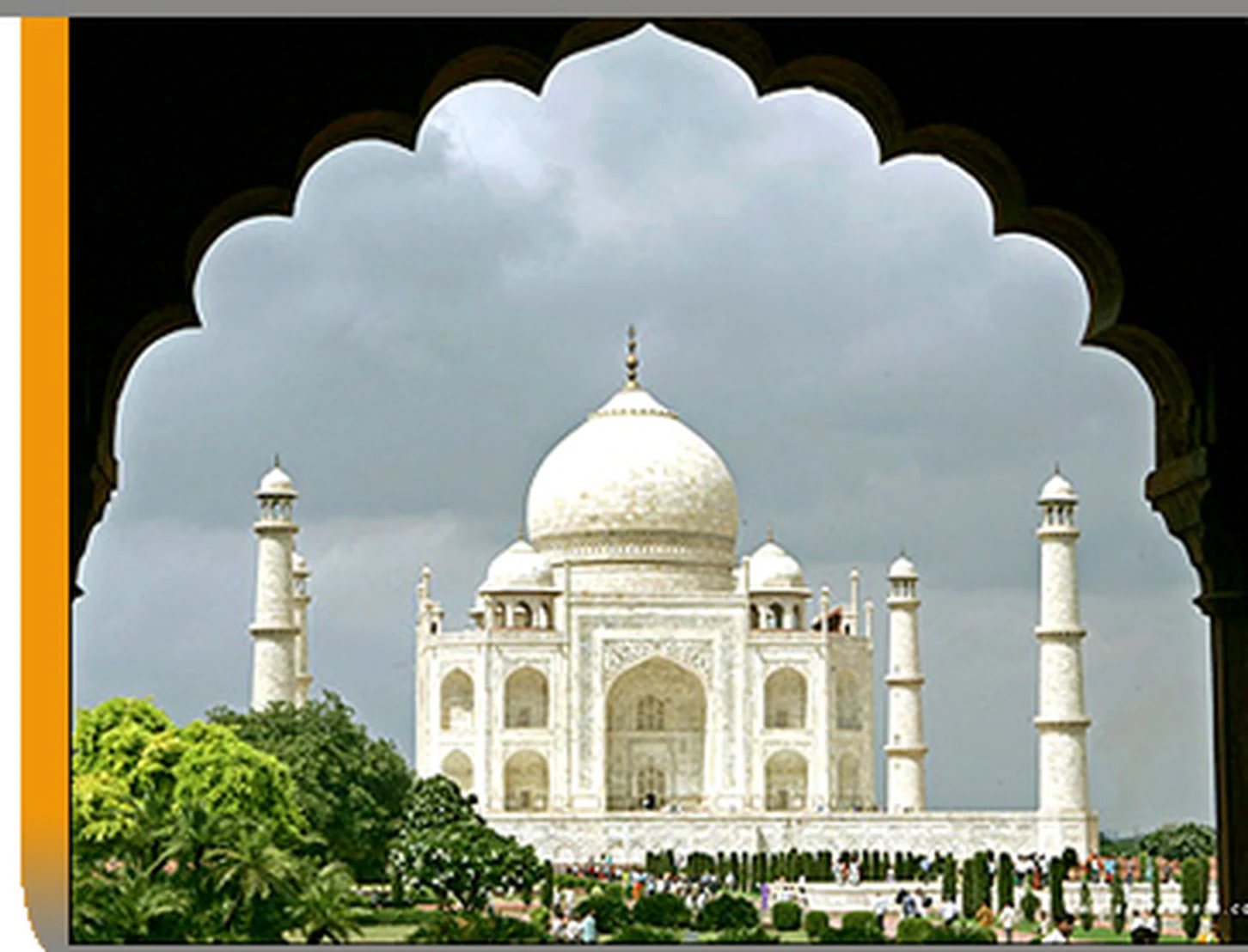
The Taj Mahal stands within a carefully ordered riverside complex covering almost 17 hectares. The mausoleum is the focal point, yet the approach through the monumental gateway, the garden’s water channels, the paired red sandstone buildings and the Yamuna River are all essential to the composition.
UNESCO describes the property as a masterpiece of world heritage. The complex also rewards close attention: changes in light affect the marble, calligraphy appears to maintain a consistent scale from below, and small deviations from symmetry help distinguish religious and functional spaces.
Plan With Confidence
Opening arrangements, admission prices, ticket systems and access controls can change. Our visitor page explains what to prepare for, but practical details should be confirmed with the Archaeological Survey of India, the official Taj Mahal website and Uttar Pradesh Tourism before departure.
Combine the Taj Mahal with Agra Fort, Mehtab Bagh, Itmad-ud-Daulah and, when time allows, Fatehpur Sikri.
Explore Nearby Places